
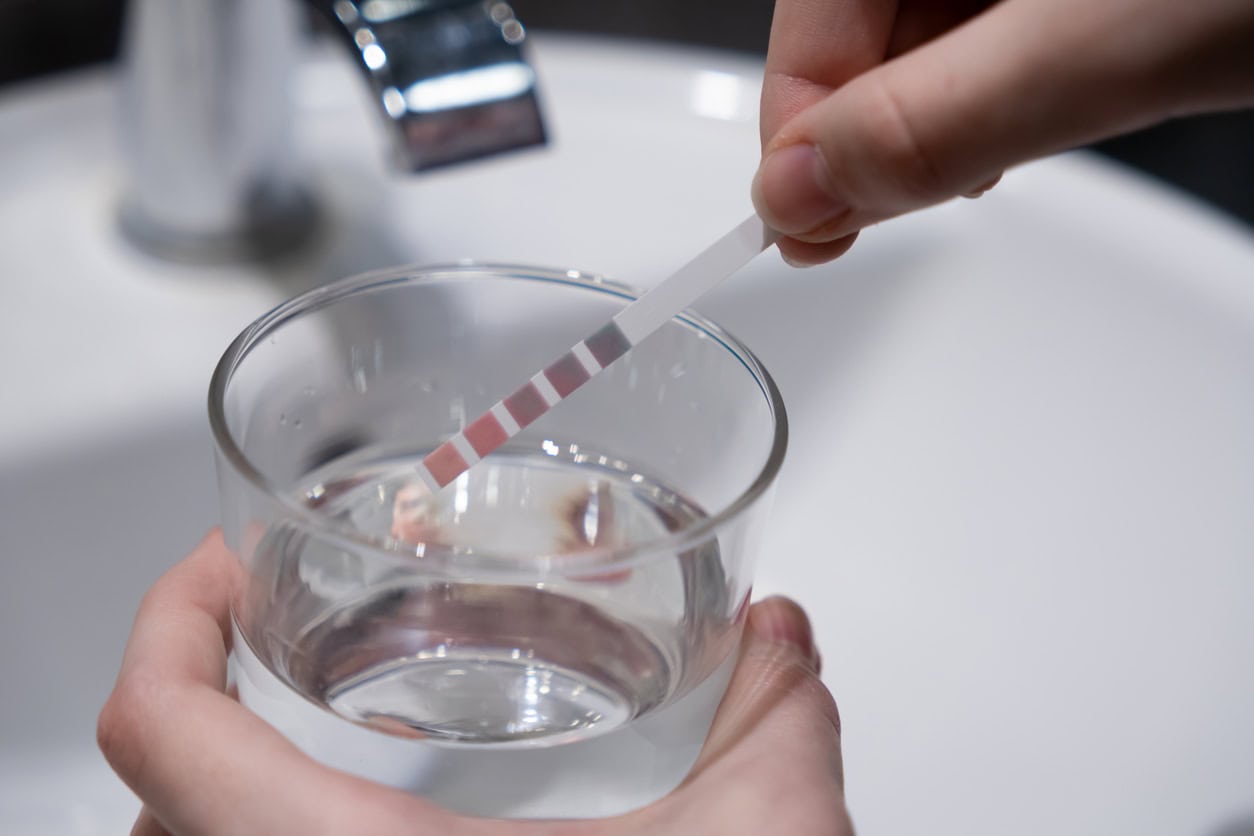
Expert Water Safety Evaluation: How Joiner Micro Lab Assesses Water Quality
Clean water is essential for healthy living. This is why homeowners should consider an expert water safety evaluation. Water testing is extremely important for households that have a well water supply because wells are completely unregulated by the local municipality. But even residents on the city water system should consider water testing.
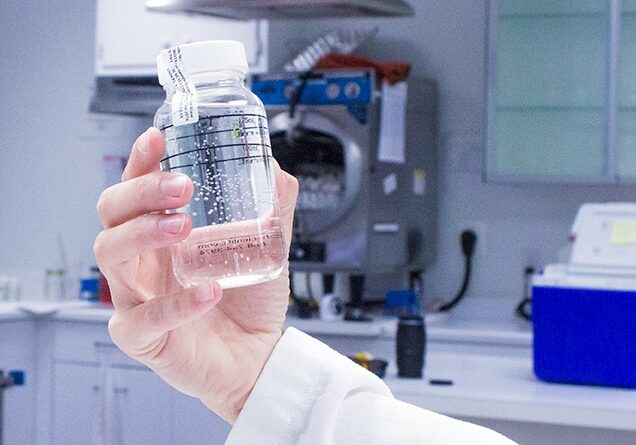
You might be wondering what the professionals are looking at when testing water samples. An expert water safety evaluation performs a few key tests while assessing water quality.
General Water Quality, Physical Parameters
Generally, an accredited water testing lab will analyze your collected water sample for pH levels (for acidity and alkalinity), Total Dissolved Solids (TDS) to assess your water’s mineral content, and turbidity (suspended solids that can cause cloudy water).
If your pH levels are too high or too low, your water can corrode your pipes. When looking at TDS, the presence of calcium and magnesium contributes to water hardness. Hard water can cause soap scum and make it harder for soap to lather, while high turbidity can contribute to the transport of pollutants. High turbidity can be a cause for concern when it comes to untreated water because of its potential to shield harmful viruses or bacteria from disinfecting agents like ozone and chlorine.
Testing for Chemical and Inorganic Contaminants
Expert water safety evaluation test for heavy metals like Arsenic, Cadmium, Copper, Mercury, and Lead. These metals accumulate in the body and do not biodegrade. They can cause undue harm. Cadmium is associated with lung cancer, brittle bones, and chronic kidney disease. Arsenic damages the nervous system and causes cognitive impairment as well as cancer. Lead causes developmental issues for unborn and developing children. Copper can cause gastrointestinal issues and potential kidney and liver damage with long-term exposure. Mercury is associated with neurological and developmental issues in children.
Professional water testing labs will also look for the presence of inorganic compounds, including nitrates, fluoride, uranium, and radium. High nitrate levels indicate sewage or fertilizer contamination. Tasteless and odorless, nitrates are problematic for infants under six months of age as they can interfere with the body’s ability to carry oxygen. Excessive fluoride levels can result in skeletal fluorosis (a detrimental bone disease). Ingesting Uranium can lead to kidney damage, while radium consumption causes immune system depression. Both are associated with increased cancer risk.
Looking for the Presence of Harmful Biological Contaminants
Water technicians also measure levels of total coliforms for bacteria like E. coli, viruses, and parasites like
Giardia and Cryptosporidium, and algae. Testing for the presence of harmful biological contaminants helps prevent severe illnesses. High total coliform levels suggest that a broken water system is allowing unwanted viruses and bacteria a pathway of entry.
When Should You Have Your Water Professionally Tested?
An expert water safety evaluation can lead to early detection of contaminants and help mitigate health issues. When should you evaluate your water supply? For well owners, the Centers for Disease Control (CDC) and Environmental Protection Agency (EPA) recommend annual water testing.
New homeowners who have just purchased their home should have their water tested, and if you have had a serious flooding event in your area, you should evaluate for potential impacts on your water supply. Additionally, if anyone in your household is suffering from unexplained prolonged illnesses or if you notice a strange taste or smell coming from your water, test your water. Regular professional water testing provides peace of mind. It safeguards your household and is socially responsible.
Have you evaluated the quality of the water coming out of your taps? In need of an expert water safety evaluation in Virginia? Joiner Micro Lab is state-accredited and has been testing Virginians’ water since 1991. Contact us for more information.
Share this post
Related Posts

Should my Leesburg, VA home water be tested
Public Water System Testing in Manassas, VA
Water Testing In Nokesville, VA
NEWSLETTER
Stay informed
Get the latest water testing tips, lab updates, and safety reminders.