

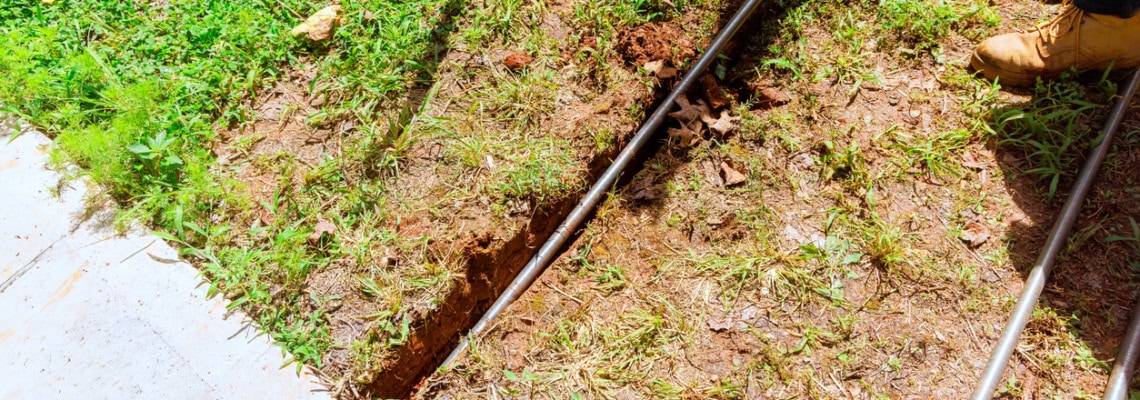

If you received a letter stating your service line material is unknown, you are not alone. The Town of Front Royal recently completed a service line inventory for its waterworks and is required to notify customers whose service line materials could not be confirmed. In some cases, an unknown material can mean the line is not lead, but it can also mean lead is possible until it is verified.
Town of Front Royal Contact
Matthew McDunn, Water Treatment Operations
mmcdunn@frontroyalva.com | (540) 636-7474
Why the Town is contacting you
A “service line” is the pipe that connects the water main in the street to your home. The inventory process is designed to identify where lead might be present so communities can prioritize verification and replacement. When records are incomplete, the service line is marked as unknown until it can be confirmed by a visual inspection, homeowner report, or other verification method.
Step 1: Help confirm your service line material
The Town is asking residents to complete a short online survey to self-identify the service line material. The survey typically includes a guide showing where the water line enters the home and how to recognize common materials (for example, copper, galvanized steel, plastic, or lead).
If you decide to check yourself, focus on the area where the water line comes through the foundation or basement wall. The material, color, and how it reacts to a gentle scratch can help indicate what it is. If you are not sure, it is still helpful to submit what you can and note that you could not confirm.
Step 2: Understand the potential health impact
Lead exposure can affect people of all ages, but the risks are highest for infants and children. Lead in drinking water can contribute to decreased IQ and attention span, along with learning and behavior issues. During pregnancy, lead exposure can increase the risk of adverse effects for the child. Adults can face increased risk of heart disease, high blood pressure, and kidney or nervous system problems.
Step 3: Reduce risk right away with simple habits
While you are confirming your service line material, these steps can help lower potential exposure in the meantime:
- Flush stagnant water before using it for drinking or cooking. If water has been sitting in the pipes, run the cold tap long enough to bring in fresh water. Showering, running the dishwasher, or flushing a toilet can also move water through the plumbing.
- Use cold water for drinking and cooking. Hot water can dissolve lead more easily, so start with cold water and heat it if needed.
- Clean your faucet aerator regularly. Small particles and debris can collect on the screen at the end of the faucet. Cleaning it helps reduce buildup.
- Do not boil water to remove lead. Boiling does not remove lead.
- Use a certified point-of-use filter if lead is a concern. Look for filters that are certified by an accredited third party for lead reduction (often referenced as NSF/ANSI standards for lead removal).
- Have your home’s electrical grounding checked if needed. In some homes, plumbing is used for grounding. If a lead service line exists, certain conditions can increase corrosion risk. A licensed electrician can confirm proper grounding.
- Consider blood lead testing for children if you are worried. Your healthcare provider or local health department can help you understand testing options.
Step 4: Consider testing your tap water for lead
Verifying the pipe material is important, but it is also reasonable to test the water at the tap, especially if you want clarity for your household now.
If you are unsure what to test for, Joiner MicroLab put together a practical guide that helps you choose the right water test based on your situation, including concerns like lead and households with children or babies:
What Water Test Do You Need
You can also review Joiner MicroLab’s water testing services to understand what is available and how sampling works:
Services
If you want to talk through which test makes sense for your home, reach out here:
Contact Us
Additional trusted resources
If you would like more official guidance on lead in drinking water and how to choose a filter that is certified for lead reduction, these resources are a good place to start:
- CDC: Lead in drinking water prevention guidance
- EPA: How to identify filters certified to reduce lead
- NSF: Certified product listings for lead reduction
A practical next step
- Complete the Town’s survey to help confirm your service line material.
- Use the everyday precautions above, especially cold water use and certified filtration.
- If you want a clear answer about what is coming out of your tap, schedule a lead water test through a certified laboratory.
If you would like help choosing the right test and interpreting results, Joiner MicroLab can guide you through the process and help you take the next step with confidence.