
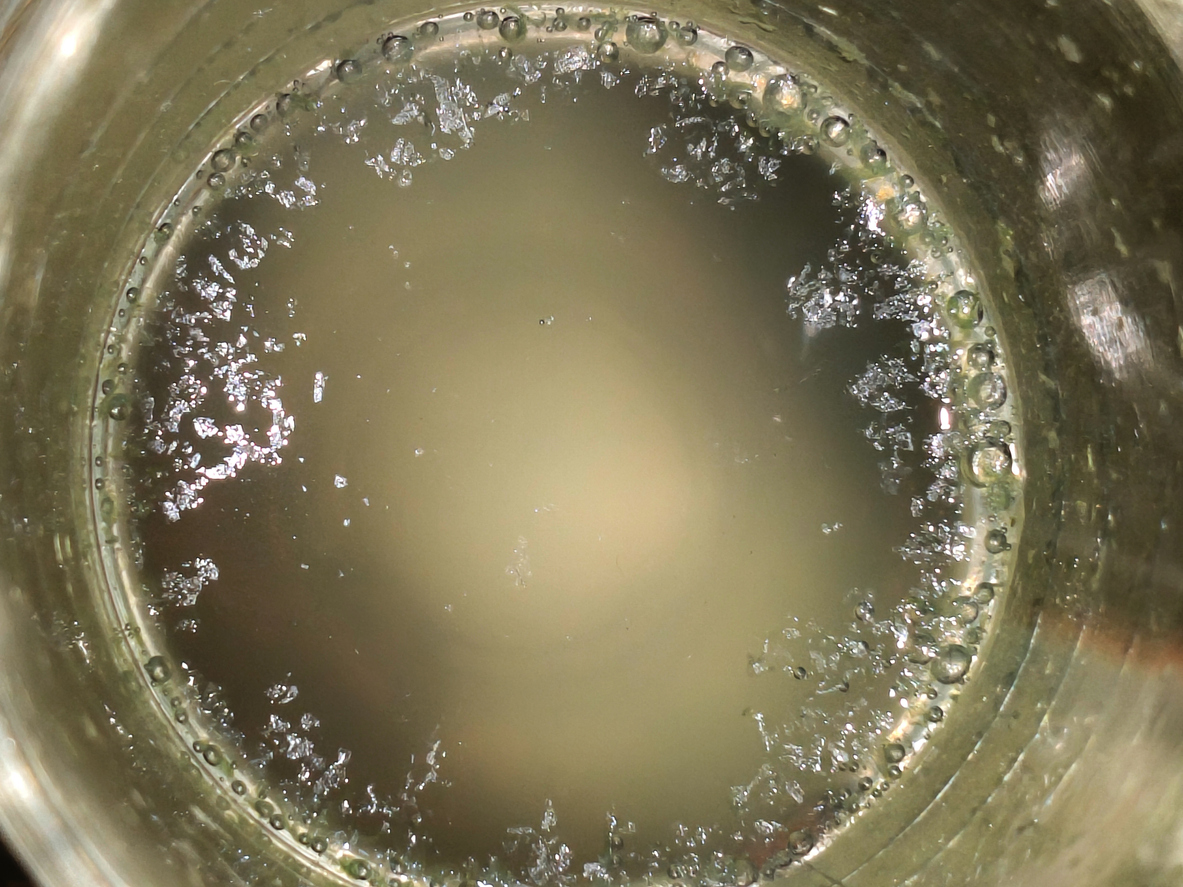
Nitrate-nitrites in Well Water: Are You at Risk in Northern VA?
For many homeowners in Northern Virginia, private wells provide a dependable household water source. Regular testing helps us understand what is in that water and whether it is suitable for everyday use. When it comes to nitrates in well water, testing is especially important for families with infants, pregnant women, and anyone who wants clear answers about water quality. At Joiner Micro Lab, we provide nitrate-nitrite detection testing and help homeowners take the next step with confidence.
What Are Nitrates and Nitrites?
Nitrates and nitrites are related compounds that can enter groundwater through common environmental pathways. Homeowners often search for both terms together because they are closely connected in drinking water discussions and health guidance. The CDC recommends that private well owners test for nitrates at least once each year, noting that elevated nitrate levels can be especially harmful to infants.
In well water, nitrates can come from sources such as fertilizers, agricultural runoff, animal waste, septic systems, wastewater, and polluted stormwater. Northern Virginia households may face these risks because many properties rely on private wells in areas where residential lawns, nearby farms, and on-site septic systems interact with local groundwater. If you rely on a private well, routine nitrate and nitrite testing provides a practical way to monitor your water quality over time.
Why Northern VA Households Should Pay Attention
Northern Virginia includes suburban, semi-rural, and rural communities where groundwater conditions can vary from one property to the next. A well on one lot can have different results than a neighboring well. That is one reason we encourage homeowners to view testing as part of regular well ownership.
Common local sources of nitrates in well water include fertilizer used on lawns and gardens, runoff from agricultural land, and septic systems that affect groundwater. Weather patterns can also influence results. Heavy rain and seasonal groundwater movement may carry contaminants into private wells. The Virginia Department of Health also encourages private well owners to test their water regularly.
Choosing the right test depends on what you want to check for and the conditions around your property. Our water testing guide can help you narrow down the appropriate testing options for your household.
Who Faces the Highest Risk?
Infants under 6 months face the greatest concern from nitrate-contaminated drinking water. High nitrate exposure has been linked to methemoglobinemia, often called blue baby syndrome, a serious condition that reduces the blood’s ability to carry oxygen. For households preparing infant formula with tap water, this issue deserves immediate attention.
Pregnant women should also take water quality concerns seriously and plan for routine testing. Families with young children often choose annual screening for peace of mind and a consistent record of their well’s condition. If your household includes an infant or someone who is pregnant, scheduling water nitrate-nitrite detection testing promptly is a smart step.
How to Approach Water Nitrate-nitrite Detection
The most reliable way to evaluate nitrates in well water is laboratory testing. At Joiner Micro Lab, we offer testing services that help homeowners identify concerns in their private water supply. We provide an overview of our laboratory offerings and support homeowners who need clear testing options.
Testing provides information you can use to make decisions for your household. If you have recently moved into a home with a private well, if your property is near agricultural activity, or if your home uses a septic system, nitrate-nitrite detection deserves a place on your testing checklist. Annual testing supports ongoing awareness, and additional testing is wise after changes in land use, flooding, or well system concerns.
When to Test Your Well Water
We recommend yearly testing for private well owners in Northern Virginia. Households with infants or pregnant women should move with added urgency and keep testing on a regular schedule. You may also want to test when buying a home, after significant storms, or when you notice any change in your water situation.
Consistent monitoring helps us build a better picture of your well over time. Since nitrate sources can be influenced by nearby land activity and groundwater movement, annual testing gives homeowners a dependable routine for checking water safety.
Work With Joiner Micro Lab
At Joiner Micro Lab, we help Northern Virginia homeowners take a clear, informed approach to well water testing. If you are concerned about nitrates in well water, our laboratory can support your next step with nitrate-nitrite detection testing designed for private well owners. To get started, reach out and connect with our team.
When your household depends on a private well, regular testing supports informed decisions. Joiner Micro Lab is here to help you monitor your water with professional laboratory services tailored to your needs in Northern Virginia.
Share this post
Related Posts
Ensure The Safety of Your Family with Water Testing Services
Water Test in Front Royal
The Importance of Drinking Water Lead Testing for Home Safety
NEWSLETTER
Stay informed
Get the latest water testing tips, lab updates, and safety reminders.